Scheduling Window Installs Around Austin Weather

The sting of hot air coming through an open wall at four in the afternoon tells a crew it opened too many windows at once. Every weather delay that austin window contractor mass in transit has logged shows the same thing: the forecast is part of the scope. A window contractor in Austin, TX plans the install around heat, wind and rain as much as around the delivery date.
Afternoon heat on the Colorado River side
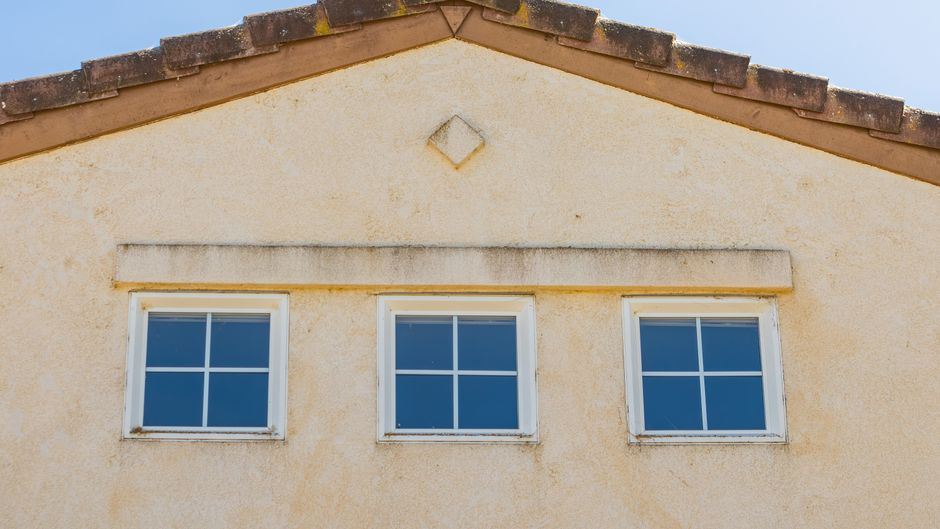
Summer afternoons above the Colorado River and around Lady Bird Lake push a house past what an open wall can handle. Crews start early, finish the west and south openings by midday, and leave the shaded side for later. Sealant gets sticky and skins over too fast on a hot sash, and installers work one opening at a time so none of it sits in direct sun while it sets.
Spring storms from the Texas Hill Country
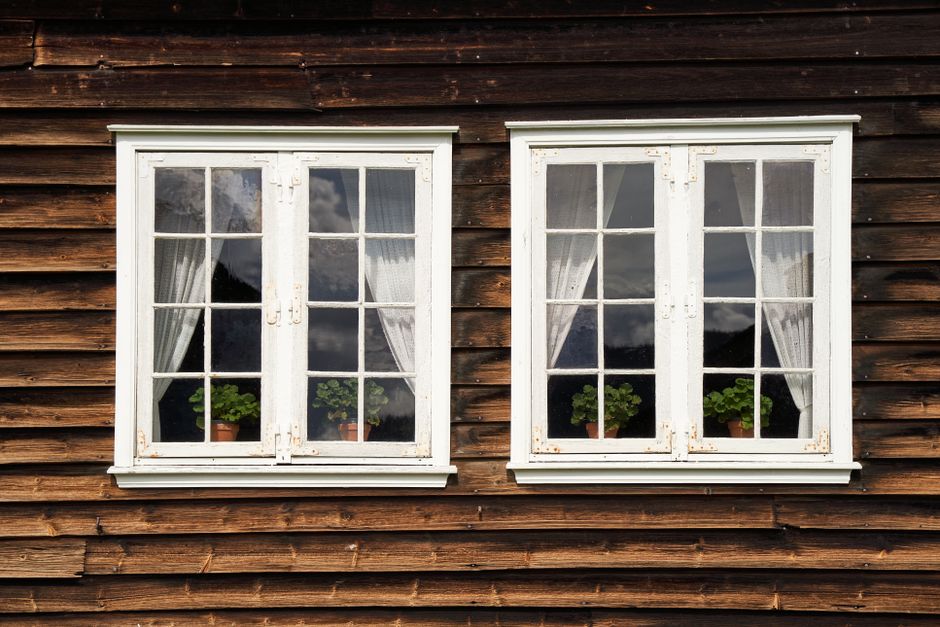
Storms build over the Texas Hill Country and reach town fast, sometimes with little warning. A crew watches radar through the morning and does not strip a wall it cannot close before the rain. The old sash comes out and the new one goes in on the same day, and no opening is left with only a sheet of plastic across it.
How many openings a crew opens at once
The rule on most jobs is the number the crew can close in an hour. A double hung window in a straight wall closes fast. A bay window or a picture window with heavy glass takes longer, so it gets started early in the day with the wall closed by afternoon. A crew that opens six frames and then loses a helper to a delivery has made its own weather problem.
Cold snaps and sealant that will not cure
A sudden cold front drops the overnight temperature below what most sealants and foam need to cure. Installers check the product label and the forecast, and when the numbers do not fit, the job waits a day. Insulated glass and a warm edge spacer handle cold fine once installed, but the caulk around them does not set in a freeze.
Rain days against wind days
A rain day is easy to call. A wind day is harder, because a full sheet of glass carried across a yard acts like a sail. Crews hold the large units for calm hours and tarp an open wall overnight with taped edges and extra weight on the lower side. Before leaving, the crew lead walks the house to confirm every opening is closed.