Phasing a Window Project in an Older Austin House
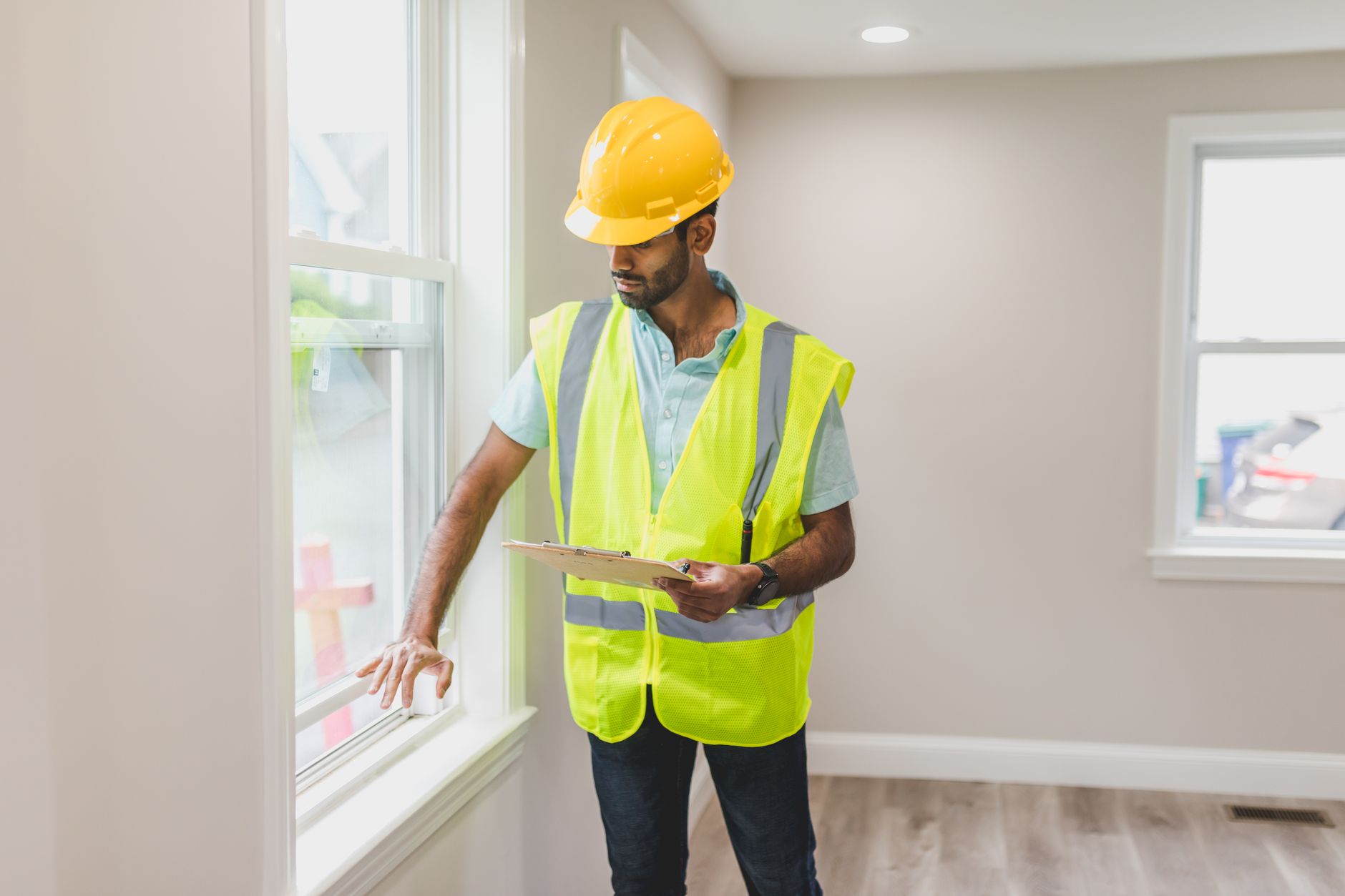
Should every window in an older Austin house be replaced at once?
Not always. A house with thirty openings does not have to be done in one pass, and a phased plan is a normal way to run a window project when the house has mixed ages, mixed frame types or a schedule that has to bend around work, school or a review board. The decision turns on four things: how many openings are failing, how long the factory takes to build the units, what the neighbourhood expects, and how much of the house the owner can live without for a stretch.
A single phase gets every opening matched in one visit. Colour, grid and glass all agree from room to room, and the crew only has to set up, tarp and clean the house once. A phased plan trades that for flexibility. Some rooms get new units this season and the rest wait, and the order of the rooms matters more than most owners expect.
What does a single phase look like next to a phased plan?
| Question | One phase | Several phases |
|---|---|---|
| Matching of frames and glass | Every unit comes from one order, so colour and finish agree | Later orders can drift if the maker changes a finish or a line |
| Crew visits | One set up and one clean up | A set up and clean up for every phase |
| Lead time | One long wait, then the install | Shorter waits, spread across the project |
| Association or historic review | One package, one approval | One approval can cover every phase if the package says so |
| Weather exposure | Many openings in a short window of dry days | Fewer openings at a time, so a storm costs less |
| Living in the house | A few disruptive days | Smaller disruptions over a longer stretch |
The table is a starting point for the conversation with the crew lead, not a ruling. A house in Tarrytown with a long driveway and a flexible schedule can handle one phase easily. A bungalow in Clarksville with a historic review and a tight lot may be easier to split.
Which rooms go first?
The usual order starts with the openings that are doing the most damage. A sash that will not close, a pane with fog between the layers from a failed seal, or a frame with soft wood at the sill is worth fixing before a window that only looks tired. After the failing openings, crews group by side of the house. Doing the whole west wall in one visit makes sense in Austin, because the west wall takes the afternoon sun and the heat pushes owners to finish it first.
- Failed or stuck openings, wherever they are in the house
- The west and south walls, which take the heat and the weather
- Bedrooms, so the quietest rooms are done early and can be shut off from the dust
- Street facing openings that need review, if approval arrives later than the rest
- Small or awkward openings such as a stair landing, a bathroom or a closet, saved for a visit when the crew is already set up
Whatever the order, each phase should list its openings by number on the measurement sheet, so the second visit is not a new site visit.
How does the order confirmation change with phasing?
Each phase gets its own order confirmation, and each one should be checked against the same measurement sheet. A phased job creates a particular risk: the first order sets the colour, grid pattern and hardware, and the later orders have to match them. The confirmation for each phase should repeat those details in full, not refer back to an earlier one. A casement unit ordered in the second phase should say which way it swings, and the grid should be spelled out, because a maker may change a default between orders.
Lead time matters differently too. A phase with stock sizes can move quickly, while a phase with made to order units has to be ordered early enough that the install lands where the schedule needs it. Where a review has to approve the second phase separately, the order for that phase waits for its own approval.
What do neighbourhood associations think about phasing?
Reviewers in older areas such as Hyde Park, Travis Heights and Clarksville generally care about how the finished street face looks, and a phased job that leaves two different window styles on the same front wall for a season can draw a question. A single package that covers all phases, with a clear sequence, usually makes the review easier than several smaller ones. If the first phase is the back of the house, there is little to discuss. If the first phase is the front, the package should say what the front will look like when all the phases are done.
A reviewer will usually want the same things for every phase: photographs of the existing windows, a spec sheet of the proposed ones, and sometimes a sample. Putting those together once, with every opening listed, saves a round of back and forth. In general terms, the stricter the area, the more it pays to bundle.
What does weather do to a phased schedule?
A single phase concentrates risk. If a week of storms comes off the Texas Hill Country on the days the crew is booked, the whole job slides, and the made to order units sit in a garage while the schedule resets. A phased plan spreads the exposure: a storm costs a day on one phase instead of a week on the whole house.
Heat matters too. A crew working on the west wall in a late summer afternoon near Zilker Park or along the Colorado River side of town fights sealant that skins too fast and installers who tire faster. Splitting the job so the hottest walls are done in cooler months is a practical use of phasing.
Cold snaps work the other way. A short freeze can stop the caulk from setting, and a phased plan lets the crew skip a day without leaving a dozen openings half done.
How should the written scope handle phases?
A scope for a phased job should read like several small scopes under one cover. Each phase has a list of openings, a frame and glass spec per opening, the trim and stucco repair for those openings, flashing and sealant, and disposal of old windows. It names who handles any permit or association paperwork for each phase. It states what happens between phases: whether the crew leaves temporary closures, how the house is cleaned and whether the punch list is built per phase or at the end.
The cleanest way to run it is one punch list per phase and a final walkthrough at the end. Warranty registration follows each phase, because units from different orders carry different serial numbers, and keeping the registration paper with the order confirmation for that phase saves a hunt later.
When does a single phase make more sense?
When the house is small, the openings are mostly the same age and a review is not involved, one phase is usually simpler. The same goes for a house where every sash is failing, because a phased plan only helps when something can safely wait. A new owner who wants the whole exterior to look right at once, and who can arrange the weeks of waiting for made to order units, will rarely regret one order.
Phasing earns its keep on bigger or older houses, on projects tied to a review, and where the family cannot give up a whole wall of the house for several days at once.
What is the safest way to decide?
Ask the crew lead to write both versions into the scope as separate options and compare them side by side. The one that reads cleaner on paper usually runs cleaner on site.